Remote island travel is not complicated. But it is specific. The gap between a trip that unfolds beautifully and one that falls apart in the first 48 hours usually comes down to a handful of logistical details that are entirely predictable — if you know what to look for.
This guide covers the practical framework we use at Ion Catalyst Ridge when planning any island itinerary involving ferry connections, remote access points, or locations with limited infrastructure. We've refined it over eight years of island planning, and the principles hold whether you're heading to the Maldives, the Azores, or a tiny atoll in the Pacific.
"Build your itinerary backwards from the hardest connection, not forwards from the easiest flight."
Step 1: Identify Your Critical Path
The critical path is the chain of connections, transport legs, and timing windows that absolutely cannot fail without derailing the entire trip. On a remote island trip, this usually means: the seaplane slot, the ferry departure, or the boat charter window.
Most people plan island trips starting from flights and working forward. We recommend the opposite. Start from the most constrained element — usually the final leg that takes you to the remote island itself — and plan backwards from there. Seaplanes to outer atolls in the Maldives, for example, only operate during daylight hours and are cancelled in poor visibility. Knowing this shapes everything upstream.
Step 2: Build in Buffer Days
On any trip involving ferry connections or weather-dependent transport, build a minimum of one buffer day for every three days of travel. On trips to very remote destinations — outer Pacific islands, Arctic archipelagos, or Indian Ocean atolls — increase this to one buffer day per two days.
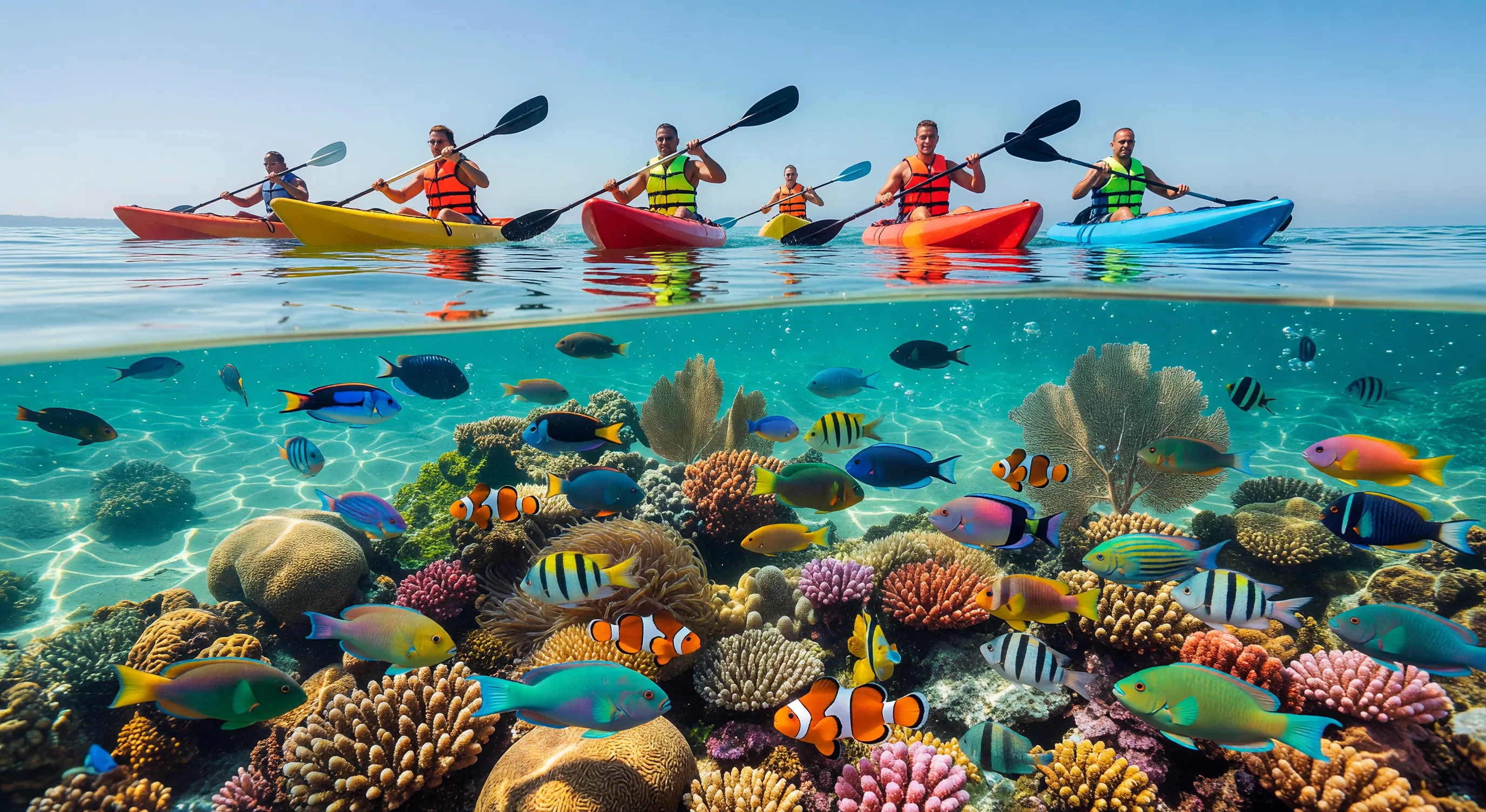
Buffer days are not wasted days. They are the days when you discover the island you weren't planning to visit, the fisherman who offers to take you to the reef, the extra morning to kayak the lagoon before catching your boat. The best island travel stories are almost always buffer day stories.
Remote Island Packing Checklist
- Enough cash in local currency for 2× your planned stay (ATMs are rare or non-existent)
- All prescription medications for the full trip plus 10 days extra
- Comprehensive travel insurance that explicitly covers remote location medical evacuation
- Offline maps downloaded for all islands on your route
- Waterproof dry bags for electronics, documents, and clothing
- Emergency contacts printed on waterproof paper and stored separately from your phone
- Satellite communicator or personal locator beacon for very remote locations
- Water purification tablets or a quality filter as backup
- Reef-safe sunscreen (SPF 30+ mineral formula)
- Power bank with sufficient capacity for 2–3 days without charging
Step 3: Communication Planning
Mobile data and cellular service drop off rapidly beyond main islands. For islands beyond the standard cellular grid, you have three options: an international SIM that switches networks, a satellite messaging device (Garmin inReach or Spot), or acceptance that you will be offline.
We recommend the satellite messenger for any trip involving genuinely remote islands. Not because you will need it in an emergency — you almost certainly won't — but because the peace of mind it gives your family and emergency contacts changes the emotional texture of the trip for everyone involved.
Step 4: Understand Seasonal Access Windows
Many remote islands are inaccessible or significantly less enjoyable outside of their optimal season. This isn't just about weather comfort — it's about physical access. Cyclone season in the South Pacific can close entire island groups to boat traffic for weeks. The katabatic winds of Patagonia make coastal sailing impossible for most of the year. The monsoon in the Bay of Bengal closes the Andaman Islands ferry routes entirely.
Every Ion Catalyst Ridge island guide includes a month-by-month access assessment. Use it before you book flights.
⚠ Important: Travel insurance for remote island trips must explicitly cover medical evacuation. Standard policies often exclude "remote location" evacuation, which can cost $50,000–$200,000 USD. Always read the exclusions before you purchase.
Step 5: On-Island Communication
Once you arrive on a small island, communication becomes hyper-local. Learn the name of the ferry captain, the guesthouse owner, and the local guide. These relationships are not just socially important — they are functionally critical. When the ferry schedule changes or a weather system approaches, these are the people who will know first and who will help you navigate the new reality.