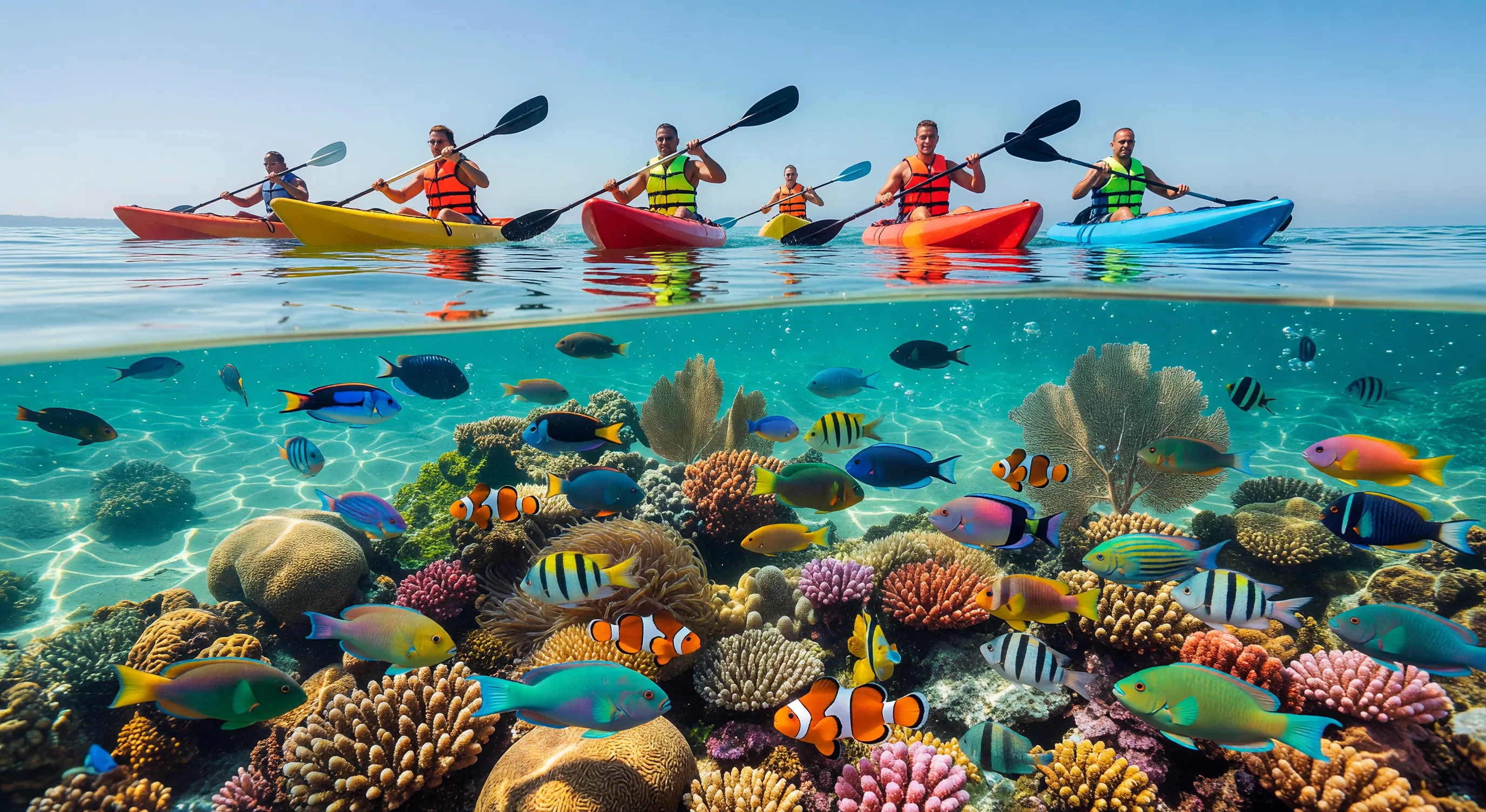
There's a comfortable mythology around sailing as the sustainable travel option. Wind-powered, slow, and leaving no contrails across the sky — sailing feels virtuous by comparison to flying. And in some respects, it is. But the full picture of a sailing voyage's environmental impact is considerably more complicated, and it's worth understanding honestly before you charter your first boat or plan your first offshore passage.
This is not an argument against sailing. It's an argument for sailing with open eyes, accurate information, and a commitment to minimising the real impacts that do exist.
"Wind is free, but a sailing boat is not. The hull, the antifouling, the engine — each carries an environmental cost that wind alone doesn't erase."
The Problem with Antifouling Paint
The single largest environmental impact of recreational sailing is one that most sailors don't think about: the antifouling biocide paint applied to boat hulls to prevent marine growth. Traditional copper-based antifouling paint continuously leaches copper ions into the water column. In high-density marina environments, copper concentrations can reach levels toxic to marine larvae, shellfish, and the bottom of the marine food chain.
The solution isn't to stop painting hulls — an unpainted hull in tropical waters can become so fouled within months that it becomes a vector for invasive species transfer between island ecosystems. The solution is to transition to low-biocide or biocide-free hull coatings, several of which are now commercially available and perform competitively in most sailing conditions.
Grey Water, Black Water, and the Anchor
Most sailors are careful about sewage (black water) — discharge inside territorial waters is illegal in most jurisdictions and carries serious fines. Fewer sailors apply the same discipline to grey water (washing-up water, shower drainage), despite the fact that dishwashing detergents and soaps are acutely toxic to coral larvae at concentrations that easily accumulate in shallow anchorages with limited tidal exchange.
In enclosed anchorages — bays, lagoons, and coves — we recommend using biodegradable, phosphate-free cleaning products and treating grey water with the same caution as black water. In remote lagoons with minimal tidal exchange, even biodegradable soap is worth conserving.
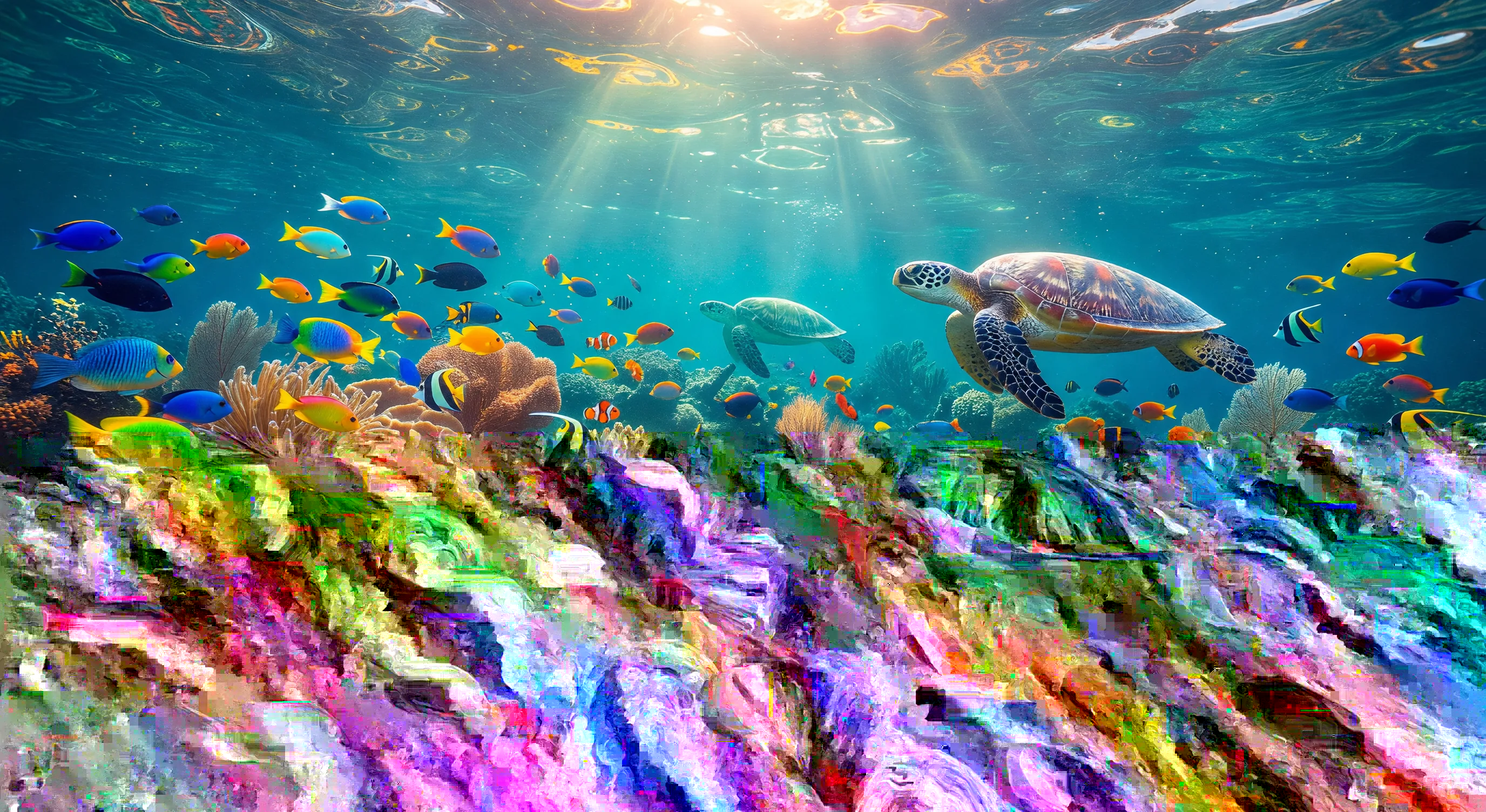
A single anchor drag across 10m of live coral can destroy 20+ years of growth. Always anchor on sand and use mooring buoys where provided.
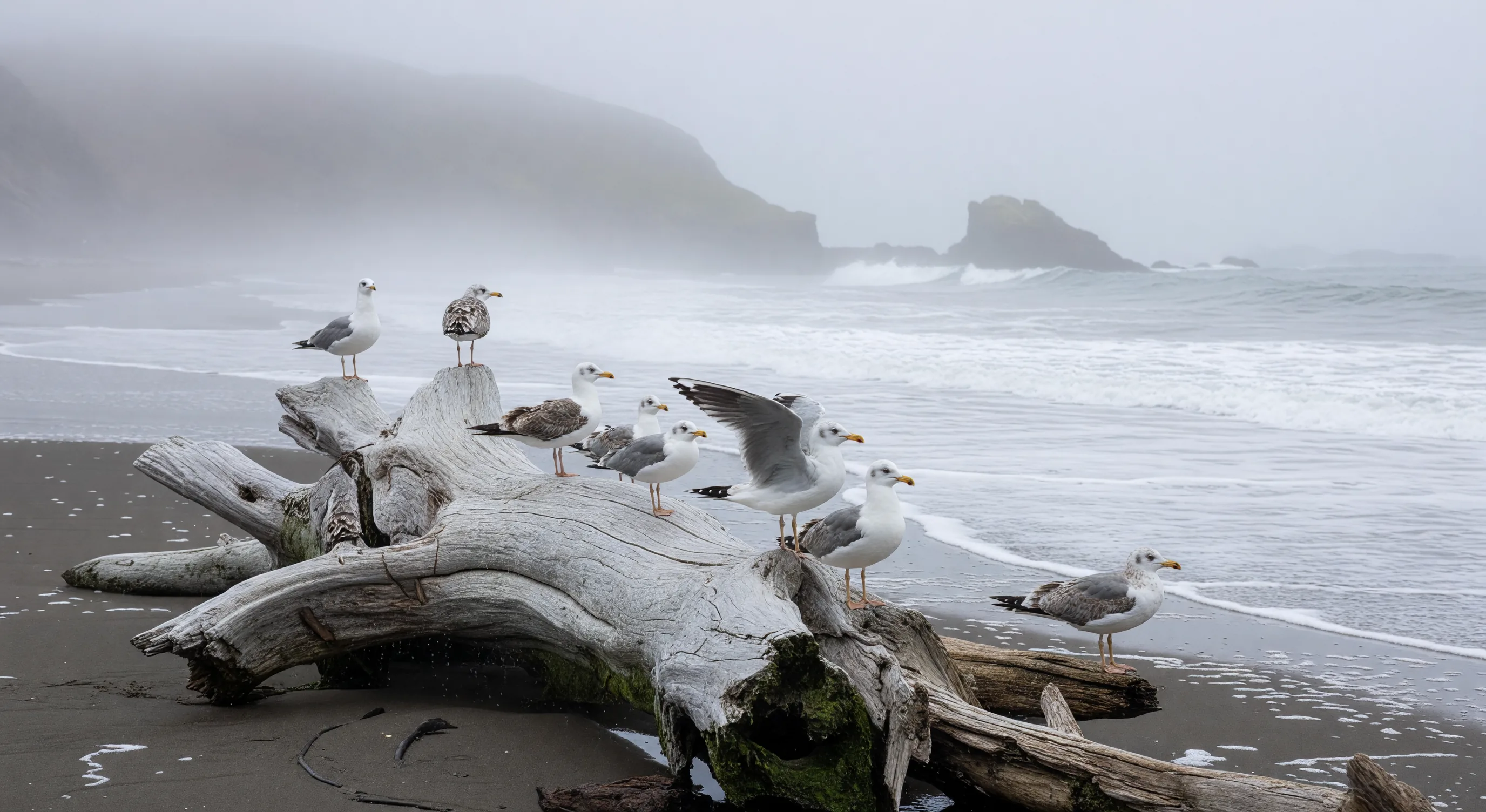
Trailing a fishing line is a common bluewater tradition. Target pelagic species only, use circle hooks, and release non-target species promptly.
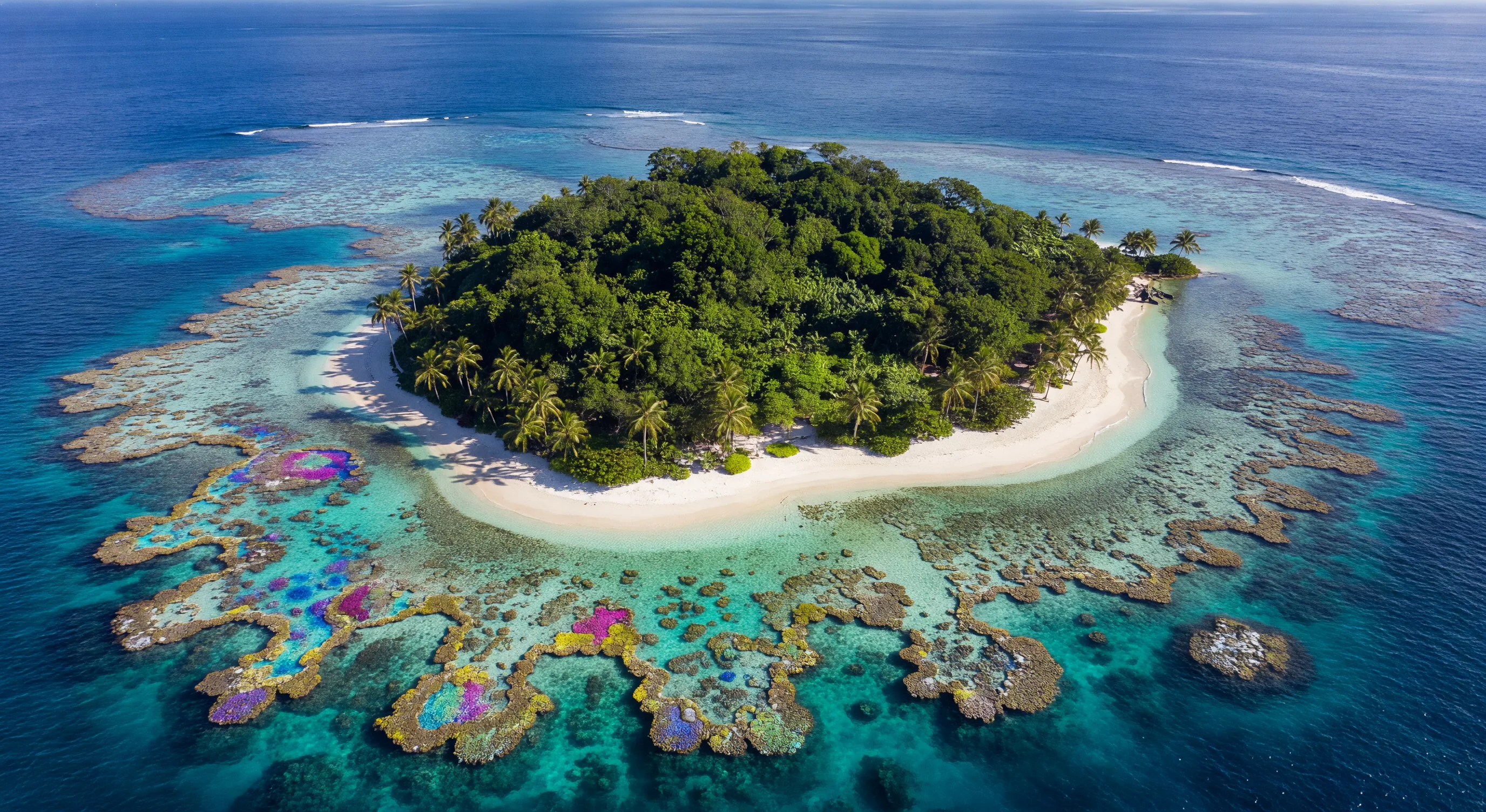
Compact all waste and land it at port. Do not discharge food waste within 12nm of land or in enclosed water bodies.
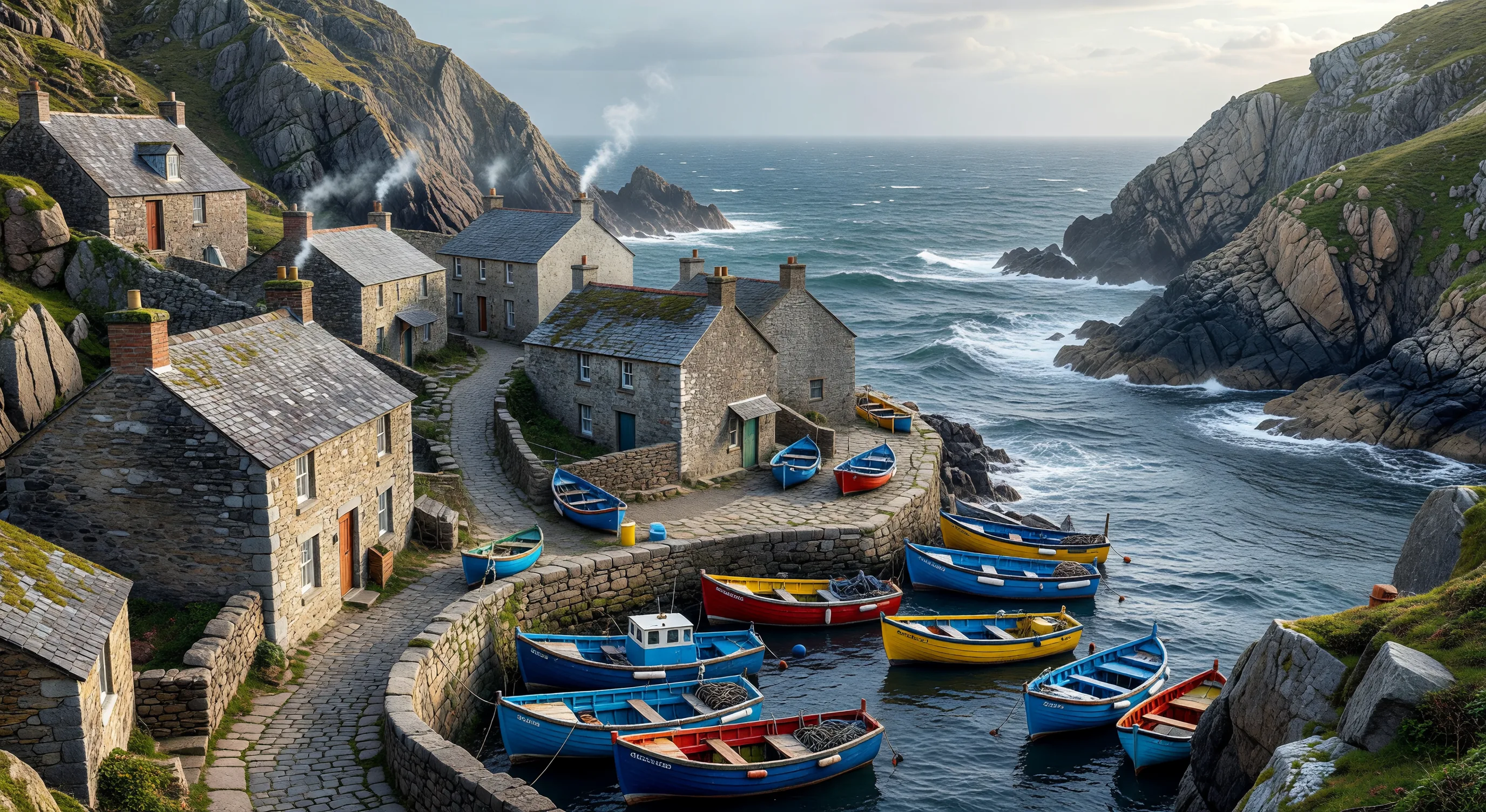
Minimise motoring. Use sails in all conditions capable of making 2+ knots. Maintain the engine properly to reduce incomplete combustion.
The Carbon Question
A sailing passage between the Galapagos and Marquesas — 3,000 nautical miles — powered largely by wind uses a fraction of the fuel a comparable flight would consume. Over a long offshore passage, a well-sailed yacht emits perhaps 5–10% of the equivalent air travel emissions. This is the aspect of sailing's reputation that is genuinely deserved.
However, the global travel required to reach the start point of most sailing voyages — often a long-haul flight to a far-flung departure port — can easily exceed the emissions saved during the voyage itself. The most carbon-efficient sailing holidays are those that depart from or close to your country of residence.
Five Commitments for the Sustainable Sailor
1. Switch to low-biocide antifouling. The evidence base for environmental harm is sufficient to justify the transition, even where regulations don't yet require it. 2. Never anchor on reef. Use satellite imagery to identify sand patches before entering an anchorage. 3. Treat grey water as carefully as black water in enclosed anchorages and remote bays. 4. Join a citizen science programme. iNaturalist, Reef Life Survey, and NOAA's CoralWatch all accept observations from sailing vessels. Your passage can contribute real scientific data. 5. Support local marine conservation at every port you visit. A small contribution to a local reef restoration fund or community fishery project matters more when it comes directly from visiting sailors.